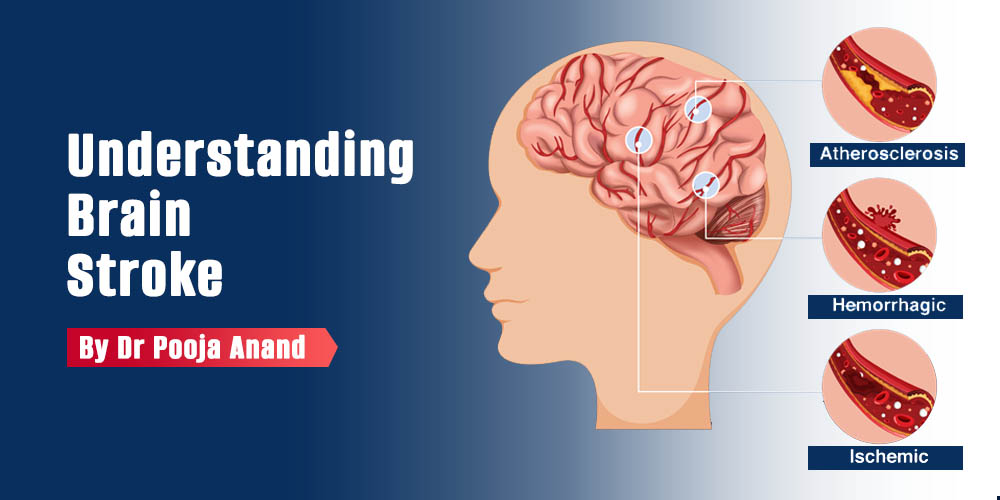
Understanding Brain Stroke: Causes, Symptoms, Treatment, and Prevention by Dr. Pooja Anand, Neurologist at Paras Hospital, Gurugram
A brain stroke, also known as a cerebrovascular accident (CVA), occurs when blood flow to a part of the brain is interrupted, leading to cell death and potential loss of neurological function. Strokes are a leading cause of disability and death worldwide, but with early detection and proper treatment, outcomes can be significantly improved.
In this comprehensive blog, Dr. Pooja Anand, a renowned neurologist at Paras Hospital, Gurugram, sheds light on the causes, symptoms, treatment, and prevention of brain strokes, empowering patients and families with the knowledge needed to recognize and respond to this medical emergency.
What is a Brain Stroke?
A brain stroke happens when the blood supply to a part of the brain is disrupted, depriving brain tissue of oxygen and nutrients. Without a sufficient supply of blood, brain cells begin to die within minutes. The impact of a stroke can vary, depending on the part of the brain affected and how quickly medical intervention is received.
There are two primary types of strokes:
- 1. Ischemic Stroke: This is the most common type of stroke, accounting for about 85% of cases. It occurs when a blood clot or other obstruction blocks an artery, reducing or stopping blood flow to the brain.
- 2. Hemorrhagic Stroke: This type occurs when a blood vessel in the brain bursts, causing bleeding into or around the brain. This increases pressure on brain tissue, causing damage.
In addition, a Transient Ischemic Attack (TIA), often referred to as a "mini-stroke," occurs when there is a temporary disruption in blood flow to the brain. TIAs are warning signs of a potential future stroke and should never be ignored.
Causes and Risk Factors
Several factors can contribute to the development of a brain stroke, many of which are related to lifestyle and underlying health conditions.
- 1. High Blood Pressure (Hypertension): Uncontrolled high blood pressure can damage arteries over time, increasing the risk of both ischemic and hemorrhagic strokes.
- 2. Atherosclerosis: The buildup of fatty deposits (plaque) in the arteries can lead to a reduction in blood flow and increase the likelihood of clot formation.
- 3. Heart Disease: Atrial fibrillation and other heart conditions can cause blood clots that may travel to the brain, leading to a stroke.
- 4. Diabetes: Diabetes increases the risk of stroke by contributing to the development of atherosclerosis and increasing blood pressure.
- 5. Smoking: Smoking damages blood vessels, increases blood pressure, and accelerates the buildup of plaque in arteries.
- 6. Obesity and Sedentary Lifestyle: Being overweight and leading an inactive lifestyle can increase the risk of high blood pressure, diabetes, and heart disease, all of which elevate the likelihood of stroke.
- 7. Excessive Alcohol Consumption: Drinking large amounts of alcohol can lead to high blood pressure and increase the risk of stroke.
- 8. Family History and Age: A family history of stroke, especially at a young age, and being over the age of 55, can increase your risk.
- 9. Gender: Men are more likely to experience strokes than women, though women have a higher risk of death due to stroke.
Symptoms of a Brain Stroke
Recognizing the symptoms of a brain stroke is critical for prompt treatment and minimizing long-term damage. The acronym BE FAST is commonly used to remember the key warning signs of a stroke:
- B - Balance: Sudden loss of balance or coordination.
- E - Eyes: Blurred or double vision, sudden trouble seeing.
- F - Face Drooping: One side of the face may droop or become numb. If the person tries to smile, it may appear uneven.
- A - Arm Weakness: The individual may be unable to lift one or both arms due to weakness or numbness.
- S - Speech Difficulty: Slurred or garbled speech is common, and the person may have trouble speaking or understanding others.
- T - Time to Call for Help: If you observe any of these symptoms, seek emergency medical attention immediately.
Other symptoms to look out for include:
- Sudden confusion or trouble understanding speech
- Sudden vision problems in one or both eyes
- Sudden difficulty walking, dizziness, or loss of balance
- Sudden severe headache with no known cause
It is essential to act quickly because every minute counts. Brain cells begin to die rapidly, and the sooner medical intervention is provided, the better the chances of recovery.
Diagnosis and Treatment
When a patient arrives at the hospital with suspected stroke symptoms, an immediate assessment is necessary to determine the type of stroke and the most appropriate course of action. Diagnostic tests may include:
- CT Scan or MRI: These imaging techniques help identify the type of stroke and the location of the blockage or bleeding.
- Blood Tests: These can help assess risk factors such as clotting disorders, cholesterol levels, and infection.
- Electrocardiogram (ECG): This test helps evaluate heart function and identify potential sources of blood clots.
- Carotid Ultrasound: This scan assesses blood flow in the neck arteries and detects any blockages.
Ischemic Stroke Treatment
For ischemic strokes caused by a blood clot, treatment aims to restore blood flow to the brain as quickly as possible:
- 1. Intravenous Thrombolysis: Tissue plasminogen activator (tPA) is a clot-busting drug that, if administered within 3 to 4.5 hours of stroke onset, can dissolve the clot and improve recovery chances.
- 2. Mechanical Thrombectomy: In some cases, doctors may use a catheter to physically remove the clot from a blocked artery in the brain. This procedure is typically performed within 24 hours of stroke onset.
Hemorrhagic Stroke Treatment
For hemorrhagic strokes, treatment focuses on controlling the bleeding and reducing pressure on the brain:
- 1. Surgical Clipping or Coiling: If an aneurysm is responsible for the bleeding, surgery may be required to either clip or coil the aneurysm to prevent further bleeding.
- 2. Medications: Drugs may be used to control blood pressure, prevent seizures, and reduce the pressure in the brain.
Rehabilitation and Recovery
Stroke recovery varies from person to person and depends on the severity of the stroke and the part of the brain affected. Rehabilitation is often necessary to regain lost skills and improve quality of life. Common rehabilitation strategies include:
- Physical Therapy: Helps restore movement and strength.
- Speech Therapy: Assists in overcoming speech and language difficulties.
- Occupational Therapy: Helps regain daily living skills.
- Psychological Support: Strokes can affect emotional well-being, and counseling may be beneficial for coping with the psychological impact.
Prevention of Brain Stroke
While some stroke risk factors are beyond your control, many can be managed with lifestyle changes and medical intervention. Dr. Pooja Anand recommends the following strategies for stroke prevention:
- 1. Control Blood Pressure: Regular monitoring and maintaining healthy blood pressure levels through diet, exercise, and medication if necessary.
- 2. Manage Diabetes: Keeping blood sugar levels in check through medication, diet, and exercise can lower the risk of stroke.
- 3. Quit Smoking: Smoking cessation is one of the most effective ways to reduce stroke risk.
- 4. Exercise Regularly: Engaging in physical activity for at least 30 minutes a day can improve cardiovascular health.
- 5. Eat a Healthy Diet: Focus on a diet rich in fruits, vegetables, whole grains, lean proteins, and healthy fats while limiting salt and sugar.
- 6. Maintain a Healthy Weight: Reducing excess body weight lowers the risk of stroke and other cardiovascular diseases.
- 7. Limit Alcohol Intake: Drinking in moderation or abstaining from alcohol can reduce the likelihood of high blood pressure and stroke.
- 8. Regular Health Screenings: Routine check-ups to monitor cholesterol levels, heart health, and blood pressure are crucial in preventing stroke.
A brain stroke is a medical emergency that requires immediate attention. Understanding the risk factors, recognizing the symptoms, and taking swift action can save lives and reduce long-term complications. Dr. Pooja Anand and her team at Paras Hospital, Gurugram, are dedicated to providing expert care for stroke patients, from acute treatment to rehabilitation, and offer preventive guidance to reduce the likelihood of future strokes.
Remember, time is brain—every second counts when it comes to stroke treatment. If you or a loved one experience any signs of a stroke, don’t wait—seek emergency medical care right away.