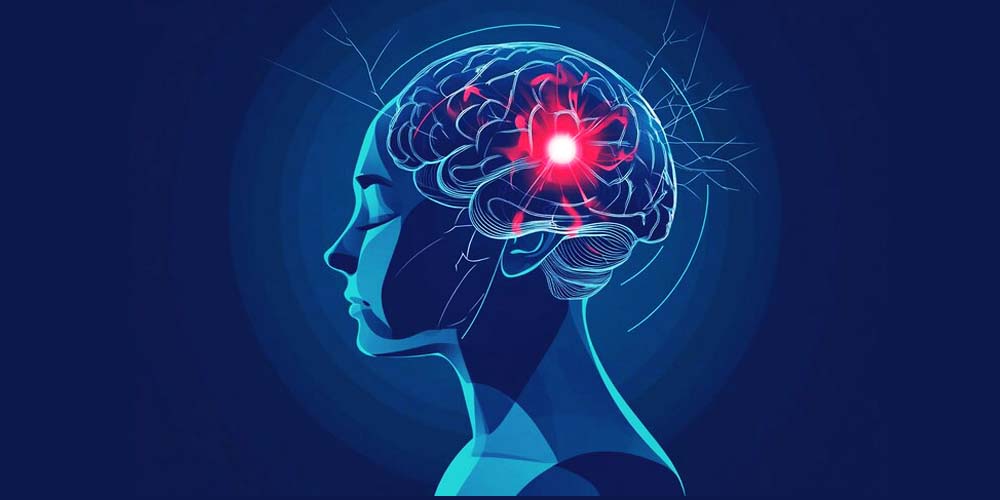
Understanding Common Neurological Disorders
Neurological disorders are a wide range of conditions that affect the brain, spinal cord, and peripheral nerves. From migraines to multiple sclerosis, these conditions can disrupt daily life and impact an individual’s overall well-being. Understanding common neurological disorders is essential for early detection, treatment, and improving the quality of life for those affected.
What Are Neurological Disorders?
Neurological disorders are conditions that affect the nervous system, which includes the brain, spinal cord, and nerves. These conditions can manifest in many ways, affecting a person’s cognitive abilities, movement, coordination, mood, and even sensory perception.
The nervous system is responsible for transmitting signals from the brain to the body, and any disruption in this system can cause a wide range of symptoms—sometimes mild, but often serious or life-changing. Neurological disorders can be congenital (present from birth), acquired (developing over time), or degenerative (progressive over time).
Common Neurological Disorders
Let’s take a look at some of the most common neurological conditions that affect millions of people around the world:
1. Migraine
Migraine is more than just a headache. It's a neurological disorder that causes severe, recurrent headaches, often accompanied by nausea, vomiting, and sensitivity to light or sound. Migraines can last from a few hours to several days, significantly affecting daily activities and quality of life.
Symptoms:
- Throbbing pain, often on one side of the head
- Sensitivity to light, sound, or smell
- Nausea or vomiting
- Visual disturbances (aura), such as flashing lights or blind spots
Management:
- Medications (pain relief, anti-nausea)
- Lifestyle changes (adequate sleep, stress management)
- Avoiding known triggers
2. Parkinson's Disease
Parkinson’s disease is a progressive neurodegenerative disorder that affects movement. It occurs when the brain no longer produces sufficient dopamine, a neurotransmitter that helps with coordination and movement.
Symptoms:
- Tremors (shaking hands or limbs)
- Muscle stiffness
- Slowed movement (bradykinesia)
- Balance problems and difficulty walking
Management:
- Medications like levodopa to replenish dopamine
- Physical therapy to improve movement and balance
- Surgical options like deep brain stimulation in severe cases
3. Epilepsy
Epilepsy is a neurological disorder characterized by recurrent seizures, which are caused by abnormal electrical activity in the brain. It affects people of all ages and can vary greatly in severity.
Symptoms:
- Seizures (convulsions or non-convulsive)
- Temporary loss of consciousness or awareness
- Uncontrolled movements, such as jerking of the arms or legs
Management:
- Antiepileptic medications to control seizures
- Lifestyle adjustments (adequate sleep, reducing stress)
- Surgery in some cases for drug-resistant epilepsy
4. Multiple Sclerosis (MS)
Multiple sclerosis is a chronic, often disabling disease of the nervous system where the immune system attacks the protective covering of nerve fibers, leading to communication problems between the brain and the body.
Symptoms:
- Fatigue
- Numbness or tingling in limbs
- Weakness and difficulty with balance
- Cognitive changes (memory loss, difficulty concentrating)
Management:
- Disease-modifying therapies (DMTs) to slow progression
- Symptom management (pain relief, muscle relaxants)
- Physical therapy and occupational therapy
5. Alzheimer's Disease
Alzheimer's disease is a neurodegenerative disorder and the most common form of dementia. It primarily affects memory, thinking, and behavior, and it typically worsens over time.
Symptoms:
- Memory loss, especially recent memories
- Confusion and disorientation
- Difficulty in completing familiar tasks
- Personality and mood changes
Management
- Medications to manage symptoms (e.g., cholinesterase inhibitors)
- Cognitive therapies and behavioral interventions
- Support for caregivers and patients
6. Stroke
A stroke occurs when blood flow to a part of the brain is interrupted, leading to brain cell death. This can be caused by a blockage (ischemic stroke) or a burst blood vessel (hemorrhagic stroke).
Symptoms:
- Sudden weakness or numbness, often on one side of the body
- Difficulty speaking or understanding speech
- Sudden vision problems
- Sudden confusion or difficulty walking
Management:
- Immediate medical attention (within 3-4.5 hours of symptoms)
- Medications like clot-busting drugs or blood thinners
- Post-stroke rehabilitation, including physical therapy
Understanding common neurological disorders and their symptoms is crucial for early detection and effective management. If you or a loved one is experiencing symptoms associated with these conditions, it’s important to consult a neurologist for a proper diagnosis and treatment plan. With advances in medical science, many neurological disorders can be managed successfully, allowing patients to lead fulfilling lives.
Looking for expert neurological care? Consult Dr Pooja Anand to get the best possible treatment for any neurological issues.