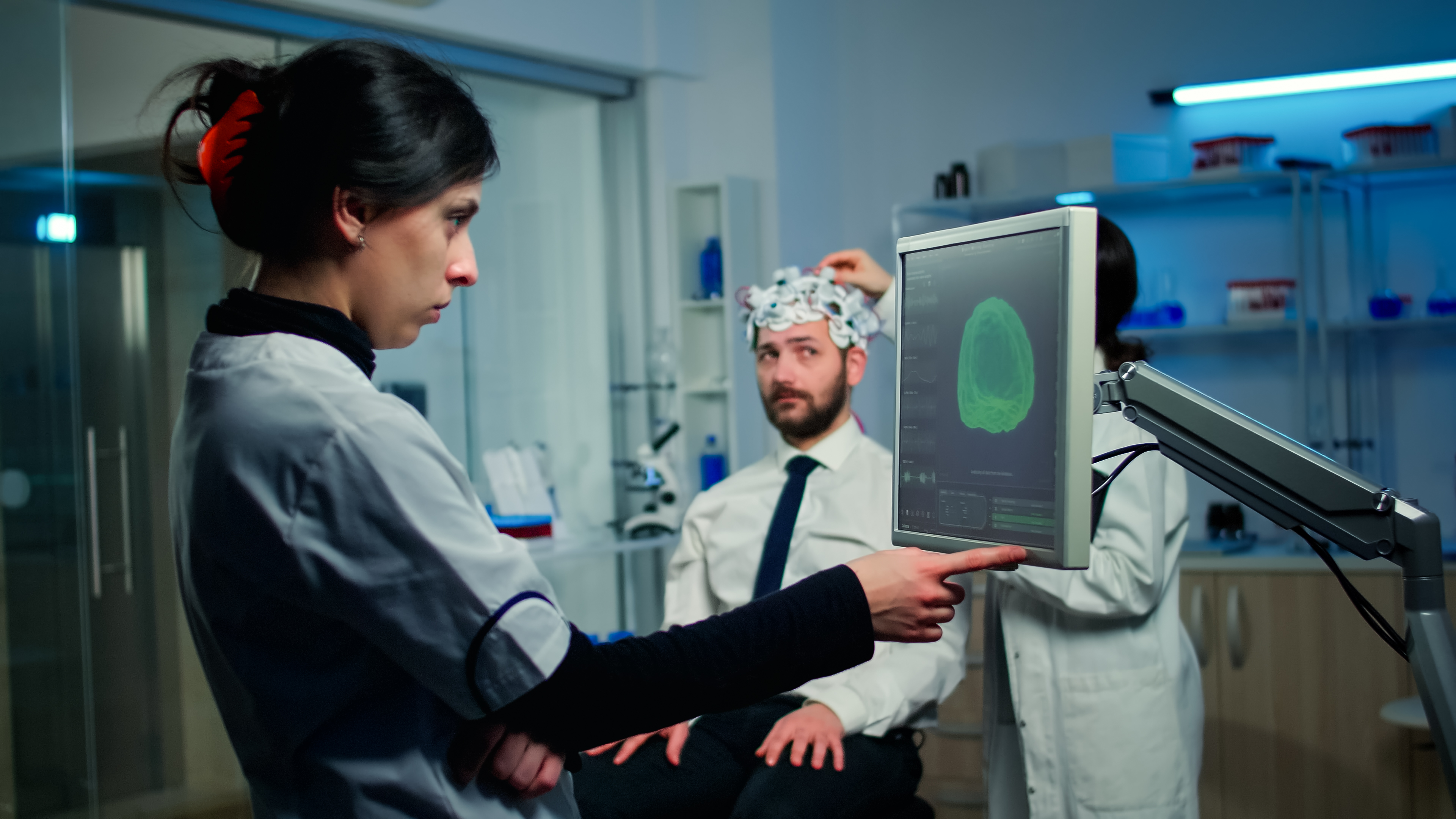
Understanding Epilepsy and Ways to Prevent It
Epilepsy is a neurological condition characterized by recurrent, unprovoked seizures. A seizure occurs when there is abnormal electrical activity in the brain, leading to changes in behaviour, movements, sensations, or consciousness. Affecting millions worldwide, epilepsy can have significant impacts on individuals' quality of life, often requiring long-term management and lifestyle adjustments.
As a neurologist at Paras Hospital, I work with individuals facing the challenges of epilepsy. Understanding its causes, symptoms, diagnosis, and preventive measures is essential to managing the condition effectively. In this article, we will explore what epilepsy is, how it can be diagnosed and treated, and practical steps to prevent seizures, especially in high-risk individuals.
What is Epilepsy?
Epilepsy is defined as a neurological disorder marked by repeated seizures due to abnormal brain activity. A person is generally diagnosed with epilepsy after experiencing two or more unprovoked seizures. While seizures can vary significantly in type and intensity, they often involve sudden involuntary movements, a temporary loss of awareness, or unusual sensations.
Key Characteristics of Epilepsy:
- It can affect anyone at any age, although onset often occurs in childhood or in individuals over 60.
- Seizures vary widely, from brief lapses in awareness to full-body convulsions.
- Epilepsy can stem from a variety of causes, or it can occur without a known cause (idiopathic epilepsy).

Common Causes of Epilepsy
Epilepsy is divided into two main types based on its origins: idiopathic (primary) epilepsy, with no identifiable cause, and secondary (symptomatic) epilepsy, which arises from specific conditions or brain injuries. The causes of epilepsy include:
- Genetic Factors: Some forms of epilepsy are hereditary, with genetic mutations contributing to abnormal brain function. Family history of epilepsy may increase the likelihood of an individual developing the condition.
- Head Injuries: Traumatic brain injuries (TBIs) from accidents, falls, or physical trauma can damage brain tissue, leading to secondary epilepsy. TBIs are one of the most preventable causes of epilepsy.
- Brain Conditions: Conditions such as tumors, strokes, and infections like encephalitis or meningitis can lead to epilepsy. Stroke, in particular, is a leading cause of epilepsy in older adults.
- Prenatal Injury: Brain development can be disrupted during pregnancy due to factors like infection, poor nutrition, or oxygen deprivation, increasing the risk of epilepsy in infancy or early childhood.
- Developmental Disorders: Certain conditions like autism spectrum disorder (ASD) and neurofibromatosis are associated with a higher risk of epilepsy due to abnormal brain development or function.
- Infections: Infections affecting the central nervous system, such as meningitis, HIV, or viral encephalitis, can cause inflammation and damage, potentially leading to epilepsy.
Recognizing Symptoms of Epilepsy
Symptoms of epilepsy vary depending on the type of seizure and the area of the brain affected. Seizures are typically categorized as focal seizures, which start in a specific part of the brain, or generalized seizures, which involve the entire brain. Common symptoms include:
Fast treatment can:
- Brief episodes of staring or loss of awareness
- Involuntary jerking movements in the arms or legs
- Loss of consciousness or confusion
- Muscle stiffness or temporary paralysis
- Sensory disturbances such as tingling, strange smells, or visual hallucinations
The nature and frequency of symptoms vary among individuals. Some may experience seizures as short episodes of confusion or staring, while others may have severe convulsions.
Diagnosing Epilepsy
Diagnosis of epilepsy involves a thorough review of the patient’s medical history, symptom analysis, and various tests to identify seizure patterns and potential causes.
- Medical History and Physical Exam: A detailed medical history helps in identifying any underlying risk factors, triggers, or conditions associated with epilepsy. Family history, developmental history, and previous head injuries are particularly important.
- Electroencephalogram (EEG): EEGs record brain wave activity, identifying unusual electrical patterns associated with seizures. This is one of the most common and informative tests for diagnosing epilepsy.
- Imaging Tests: Imaging methods like MRI and CT scans provide detailed images of the brain, helping to detect structural abnormalities like tumors, lesions, or scarring that may be causing epilepsy.
- Blood Tests: Blood tests can reveal conditions such as electrolyte imbalances, infections, or genetic markers that might be contributing to epilepsy.
- Neuropsychological Tests: These assessments evaluate cognitive function and emotional health, helping to identify areas of the brain that might be affected by epilepsy.
Treatment Options for Epilepsy
Managing epilepsy often requires a personalized treatment approach, which can include medication, surgery, and lifestyle changes.
- Medications: Antiepileptic drugs (AEDs) are the most common form of treatment for epilepsy, helping to control or reduce the frequency of seizures. With several AEDs available, a neurologist will determine the best choice based on the type of epilepsy and the patient’s overall health. Medication effectiveness and side effects are monitored regularly to ensure optimal control.
- Surgical Options: For patients who do not respond to medication, surgery may be considered. Surgical intervention aims to remove or alter the brain area responsible for seizures, reducing or stopping seizure activity.
- Vagus Nerve Stimulation (VNS): This involves implanting a device under the skin that stimulates the vagus nerve in the neck, helping to reduce seizure frequency in some patients.
- Ketogenic Diet: Primarily used in children with difficult-to-treat epilepsy, the ketogenic diet is high in fats and low in carbohydrates. This dietary approach can reduce seizures by altering the brain’s energy source, though it requires medical supervision.
- Lifestyle Modifications: Managing epilepsy involves lifestyle changes that help minimize seizure triggers. Stress reduction, regular sleep, and avoiding alcohol or recreational drugs can improve seizure control.
Preventing Epilepsy and Seizures
While idiopathic epilepsy may not be preventable, many cases of secondary epilepsy are. Preventive steps can help reduce the risk of developing epilepsy, especially in high-risk individuals.
- Prevent Head Injuries: Since head injuries are a leading cause of secondary epilepsy, prevention is key:
- Use helmets when engaging in sports or activities with a risk of head injury.
- Practice road safety measures to prevent accidents.
- Fall prevention is essential for older adults to minimize traumatic brain injuries.
- Early Management of Brain Infections: Timely treatment of brain infections like meningitis or encephalitis can reduce the risk of epilepsy. Vaccinations, particularly for conditions like meningitis and measles, are also essential preventive measures.
- Healthy Prenatal Practices: Proper prenatal care helps ensure healthy fetal brain development, reducing the risk of epilepsy in newborns. Pregnant women should avoid alcohol, maintain a healthy diet, and manage infections to lower the risk of developmental brain issues.
- Managing Chronic Health Conditions: Chronic conditions like stroke, cardiovascular disease, and diabetes increase the risk of epilepsy. Proper management of these conditions, through medication, lifestyle modifications, and regular check-ups, is essential in preventing epilepsy.
- 5. Avoid Known Triggers: For those with epilepsy, understanding and avoiding personal seizure triggers is critical. Common triggers include:
- Sleep deprivation: Maintain regular sleep patterns.
- Excessive alcohol: Avoid or limit alcohol consumption.
- Stress: Practice stress management techniques like meditation, deep breathing, or exercise.
- Photosensitivity: Some individuals are sensitive to flashing lights, which can trigger seizures.
Conclusion
Epilepsy is a complex neurological disorder that affects millions, yet many cases can be managed or even prevented. Understanding the underlying causes and risk factors associated with epilepsy empowers individuals to make informed lifestyle choices and seek timely medical intervention. At Paras Hospital, we are dedicated to providing comprehensive care, from accurate diagnosis to personalized treatment plans, aimed at enhancing quality of life and reducing the impact of epilepsy on our patients.